


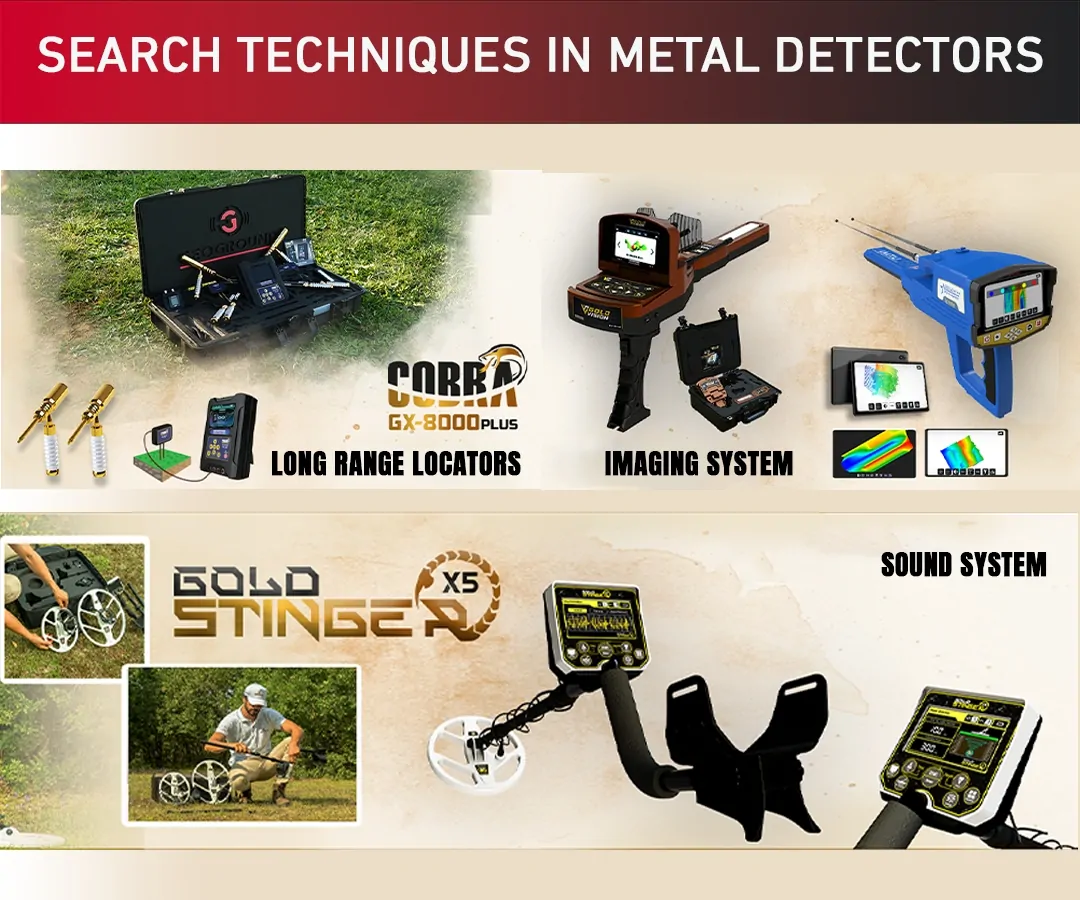
Search techniques in metal detectors are among the most prominent innovations that have contributed to improving the ability to detect buried metals underground with high accuracy and speed. These technologies have become an essential tool widely used in many fields such as gold prospecting, searching for antiquities, recovering lost property, and even in security and military applications.
With the rapid development of technology, metal detectors have witnessed significant development in recent years, as they have come to rely on advanced techniques for analyzing signals and frequencies, which has helped significantly improve the efficiency and effectiveness of the search process. This development was not limited to improving performance only, but also included providing various options that suit the needs of different users.
Table of Contents
Search techniques in metal detectors
Search techniques in metal detectors rely on a set of technological innovations that contribute to improving the accuracy of detection and speed of performance. Among the most prominent of these technologies are the following:
Pulse induction technology
It relies on sending strong magnetic pulses into the ground and analyzing the returning signals to detect metals. This technology is characterized by its ability to detect metals at great depths, making it ideal for use in prospecting for gold and heavy metals.
Low and variable frequency
This technology is used to distinguish different metals by creating magnetic fields that can identify the nature of the buried metal, whether iron or otherwise, and is common in discovering ancient artifacts and coins.
Magnetic resistance
It works by measuring changes in the magnetic field resulting from the presence of metals. This technology is used in advanced devices that detect small metals or those found at medium depths.
Reliance on artificial intelligence
This technology is integrated into some devices to interpret and analyze data faster and more accurately, which helps improve the efficiency of the device and reduce errors or false signals.
Important tips when using metal detectors
When using metal detectors, there are important tips that must be followed to ensure efficient performance, including:
- It is necessary to read the device’s user manual carefully to understand its settings and various technologies, such as search technologies in metal detectors, which include discrimination and general search modes.
- Using the appropriate mode, such as discrimination mode, can help filter out unwanted metals such as aluminum and focus on desired targets such as gold or silver.
- Be sure to use the ground balance setting if the device supports it, especially in areas with mineral soil or salty beaches.
- Use the correct technique in the scanning movement of the device, as it is recommended to move slowly and in an even pattern while maintaining the proximity of the ground file without lifting it at the end of each movement.
Common mistakes to avoid when detecting metals
When using search techniques in metal detectors, many amateurs and beginners make common mistakes that negatively affect the results and reduce the chances of finding valuable targets, including:
- Choosing an inappropriate device may lead to false signals and loss of opportunities to find metals, so it is preferable to choose advanced and easy-to-use devices.
- Neglecting to study potential sites reduces the chances of success, so it is recommended to review historical maps and detection laws.
- The belief that a large signal always indicates an inaccurate value, as factors such as depth and soil type affect the signal.
- Random digging may harm the environment or damage targets, so it is preferable to dig organized using precise tools.
- Incorrect settings lead to losing targets.
- Buying used devices without a warranty exposes you to a defective device.
Best Metal Detector
There are many metal detectors, so when buying, you should choose devices known to be the best, including:
Gold Monster 1000
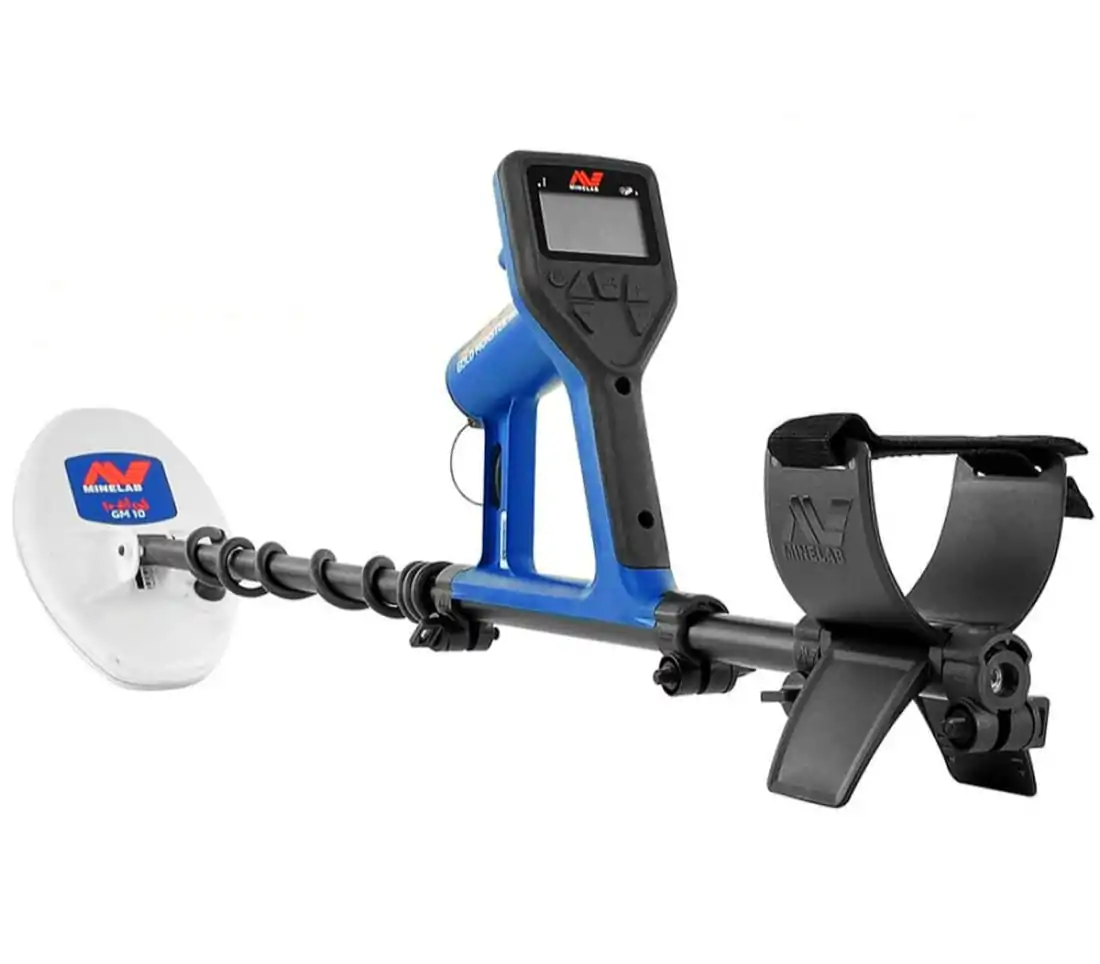
Gold Monster 1000
- The Gold Monster 1000 has distinctive technical features that make it one of the preferred devices for metal detection.
- It is characterized by its light weight, as it weighs about 1.33 kilograms without batteries.
- The device operates with a built-in lithium-ion battery, and can also be operated using eight AA batteries, which can be provided separately.
- The device comes with modern technologies, including automatic operation to adjust ground balance and reduce noise.
- It also features multiple options for adjusting sensitivity, as it can be controlled manually at levels starting from 1 to 10 or choosing the automatic mode with two additional levels.
- As for its length, the device is flexible in use, as its length ranges from 944 mm to 1382 mm.
X-Terra Pro
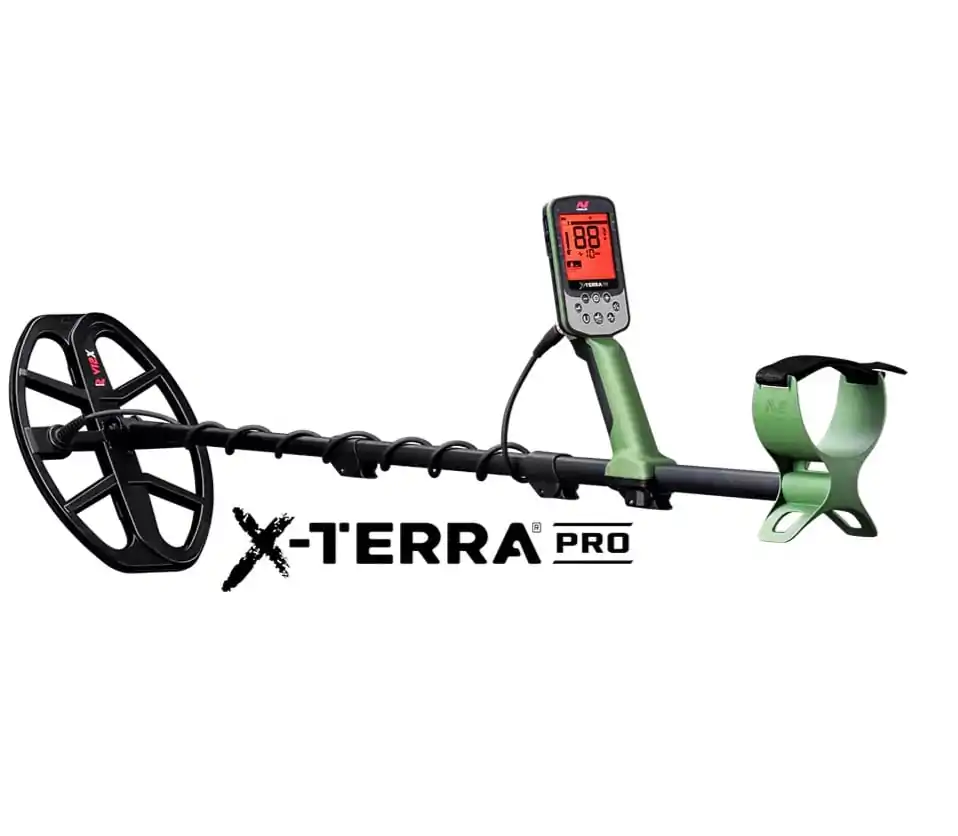
X-Terra Pro
- The X-Terra Pro is characterized by its practical design and light weight of about 1.3 kilograms.
- The device has a clear, high-resolution LCD display that shows the search results directly, with the ability to fully control the settings easily through it.
- The device is powered by a powerful internal lithium-ion battery with a voltage of 3.7 volts and a capacity of up to 5100 mAh.
- It is designed to operate efficiently within a wide operating temperature range ranging from 14 to 104 degrees Fahrenheit.
- The device supports three advanced search modes that allow the detection of multiple types of metals, with six specialized search coils that provide high performance and extreme accuracy.
FAQs
What are metal detection techniques?
Metal detection techniques rely on the use of electromagnetic fields and distinguishing between different metals based on their response to these fields.
What are the three types of metal detectors?
The three types are pulse induction detectors, low frequency detectors, and multi-purpose detectors.
What is the best way to detect metals?
Choose the appropriate location where metals are likely to be present, use the device appropriate to the nature of the metal (such as the Gold Monster 1000 or X-Terra Pro) and adjust the settings to avoid noise and increase sensitivity.
What are the methods of detecting heavy metals?
Heavy metals can be detected using devices that rely on pulse induction or low frequency with a focus on fine discrimination settings to eliminate false signals.